

Scientific Figure Generator vs FigureLabs
Product fit comparison · Updated September 3, 2026
Choose a fast, no-account path to a scientific illustration draft—or a broader workspace built around references, editing, plots, and vector exports.
Generate first. Sign in to save.
- Unlimited 1K preview generations
- Conversational preview edits on desktop
- Sign in only when saving a selected figure
- Clean exports through purchase or paid credits
Generate, edit, and vectorize.
- Reference, image, PDF, and text inputs
- Region editing and a built-in canvas
- SVG and editable PPTX on eligible plans
Scientific figure generator
Try it with your own research
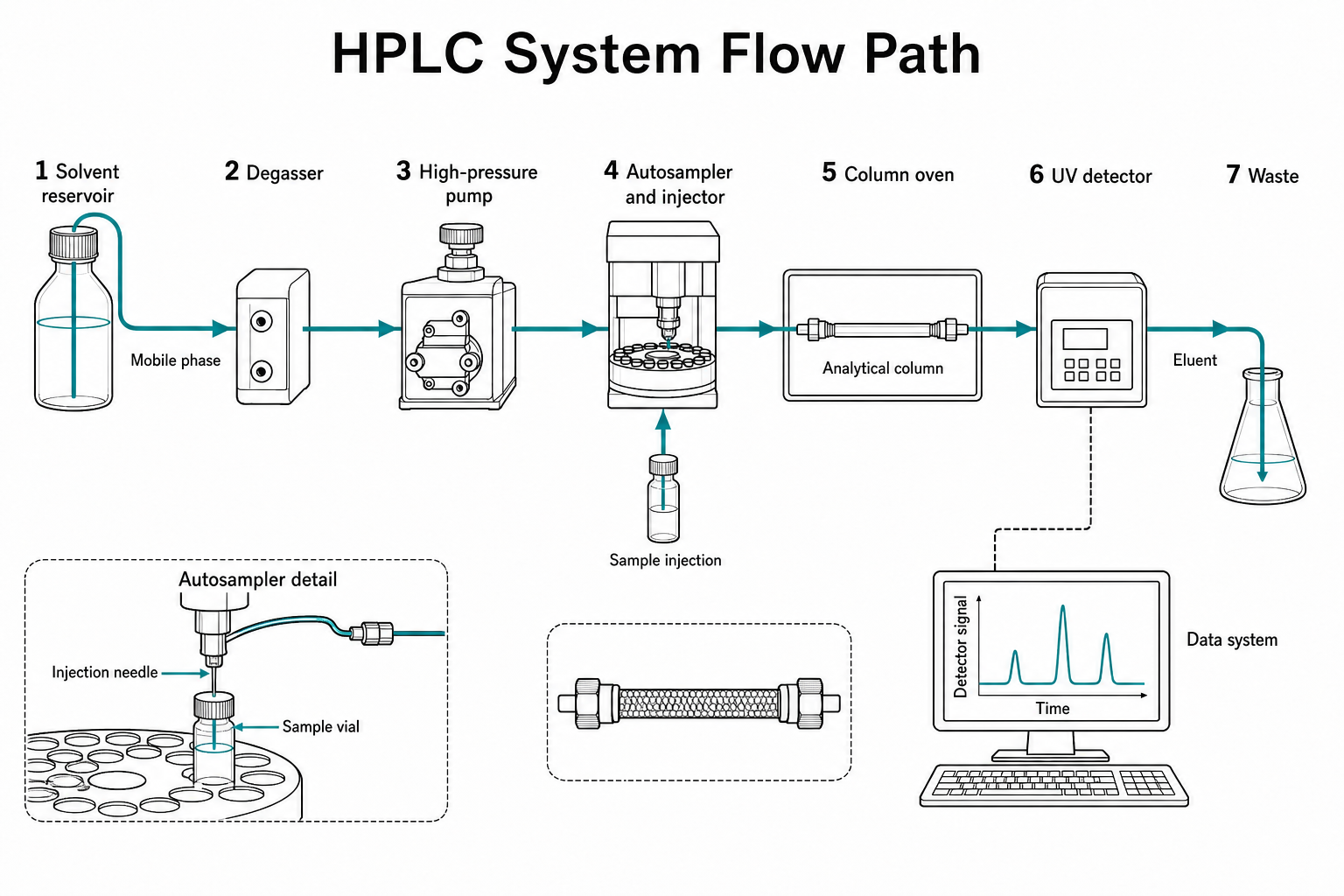
Send this example or describe your own figure. The result opens on a canvas where you mark any detail and say what to change.
3 free figures for new accounts, no card. Downloads have no watermark.
The short answer
Choose Scientific Figure Generator when the job is to turn a research idea into a clean PNG draft with as little setup as possible. Verify a new account for 3 free figures, then use the same balance across all three models and conversational edits. Successful 1K results use 10 credits and 2K results use 20; clean PNG downloads are included.
Choose FigureLabs when the draft must enter a richer production workflow. Its public product pages describe reference and image inputs, editing tools, a vector canvas, SVG and PPTX export, plots, flowcharts, and project storage. That added capability also introduces plans, credits, and more decisions.
This is not a claim that one tool is universally better. It is a comparison of which workflow fits the work in front of you.
Feature ledger
Compare the current workflows
Public product and pricing information reviewed July 28, 2026. Features and allowances can change; confirm the linked source before making a purchasing or publication decision.
Start without an account
No. New verified accounts receive 3 free figures (30 credits) for generation and editing.
No. FigureLabs says free credits are provided upon registration and refreshed upon login.
Ongoing free generation
50 one-time signup credits. Successful 1K results use 10 credits and 2K results use 20 credits.
50 daily refresh credits. Its pricing page lists a basic 1K generation at 50 credits.
Free clean download
Yes. Every successful result created with credits includes its clean PNG download.
The free plan lists 1K image export. Higher resolution and vector exports sit on paid tiers.
Publication workflow
Free copy-ready credit and disclosure templates. Terms permit research and publication use, subject to applicable rules.
Its pricing page marks the free plan as non-commercial and lists Publication Authorization on paid plans.
Ways to start
Text prompt with a choice of line art, 3D render, or flat illustration.
Text, PDF, sketch, image, and visual-reference inputs.
Editing after generation
A desktop infinite canvas supports connected edits. Each successful 1K edit uses 10 credits and each 2K edit uses 20 credits.
Text editing, region redraw, background removal, vectorization, and a built-in canvas.
Export formats
PNG at 1K resolution.
PNG and JPG, plus SVG and editable PPTX on eligible plans; paid tiers list 4K and 8K export.
Specialized workspaces
Focused on prompt-to-illustration drafting.
Dedicated flowchart, plot, panel-assembly, storage, and multi-model workflows.
FigureLabs currently advertises 200 free credits on its homepage while its pricing page lists 150 one-time free credits. This comparison uses the more detailed pricing page for allowance mechanics and notes the discrepancy rather than guessing which figure will remain current.
Where our tool fits better
Less setup between the idea and the first draft
The advantage is not a longer feature list. It is a shorter path for researchers who need a visual starting point rather than a full illustration workspace.
Start with 3 free figures (30 credits)
Verify a new account once, then use the same 50-credit starting balance across all three models, generation, and editing.
Keep pricing predictable
Successful 1K generations and edits use 10 credits; successful 2K results use 20 credits. Every result includes its download.
Keep disclosure close to the result
Every completed generation includes a copy-ready publication credit. A separate guide provides caption and manuscript disclosure templates while making human review and journal policy explicit.
Where FigureLabs fits better
More control after the first generation
FigureLabs is the stronger documented option when editability, multiple input types, and production formats matter more than zero-account access.
You need editable output
FigureLabs advertises vectorization, editable SVG and PPTX exports, and a built-in canvas. Those capabilities are a better match when the generated draft must become a layered production file.
You want to begin with an image or PDF
Its public product pages describe image-to-figure, reference-to-figure, sketch, and PDF workflows. Scientific Figure Generator currently starts from text only.
You are assembling a broader figure system
FigureLabs also promotes research flowcharts, data plots, panel assembly, image editing, project storage, and multiple AI models. It is the broader workspace.
Choose by the job
Which tool should you use?
Choose Scientific Figure Generator
When you need a fast, free PNG draft
- You want to try the tool before creating an account.
- You need a one-off mechanism, process, or concept illustration.
- A clean PNG is enough for your next review or layout step.
- You want to try a marked-region editor before buying credits.
- You need a free credit or disclosure template alongside the result.
Choose FigureLabs
When editability is part of the requirement
- You need SVG, editable PPTX, or higher-resolution paid export.
- You want to start from a sketch, PDF, image, or visual reference.
- You need to redraw a region or edit labels inside the workspace.
- You are building flowcharts, plots, or assembled multi-panel figures.
- You need project storage and access to multiple generation models.
What this comparison does not claim
We have not completed a controlled, logged-in, same-prompt test of both products. Until that test exists, this page does not rank their scientific accuracy, first-attempt visual quality, generation speed, or likelihood of producing a submission-ready asset without manual correction.
- No claim that one model is more scientifically accurate
- No claim that one tool is faster
- No invented customer rating or market-share number
- No assumption that a generated draft meets a journal’s current rules
Method and disclosure
How we checked the facts
This page is published by Scientific Figure Generator. It is a first-party comparison, not an independent review and not a paid endorsement of FigureLabs.
Also considering an icon-based scientific illustration workspace? Read our BioRender alternative comparison for current pricing, AI editing capabilities, and workflow differences.
Need the simpler path?
Draft a scientific illustration before creating an account
Describe the required components, labels, relationships, and layout. Then review every generated element against your sources before publication.