

Scientific Figure Use Cases
Publication tasks for scientific visuals
Scientific figure generator
Start with the figure your paper needs
Describe the figure you need, or send this example as it is. Then mark any detail on the result and say what to change.
5 free figures for new accounts, no card. Downloads have no watermark.
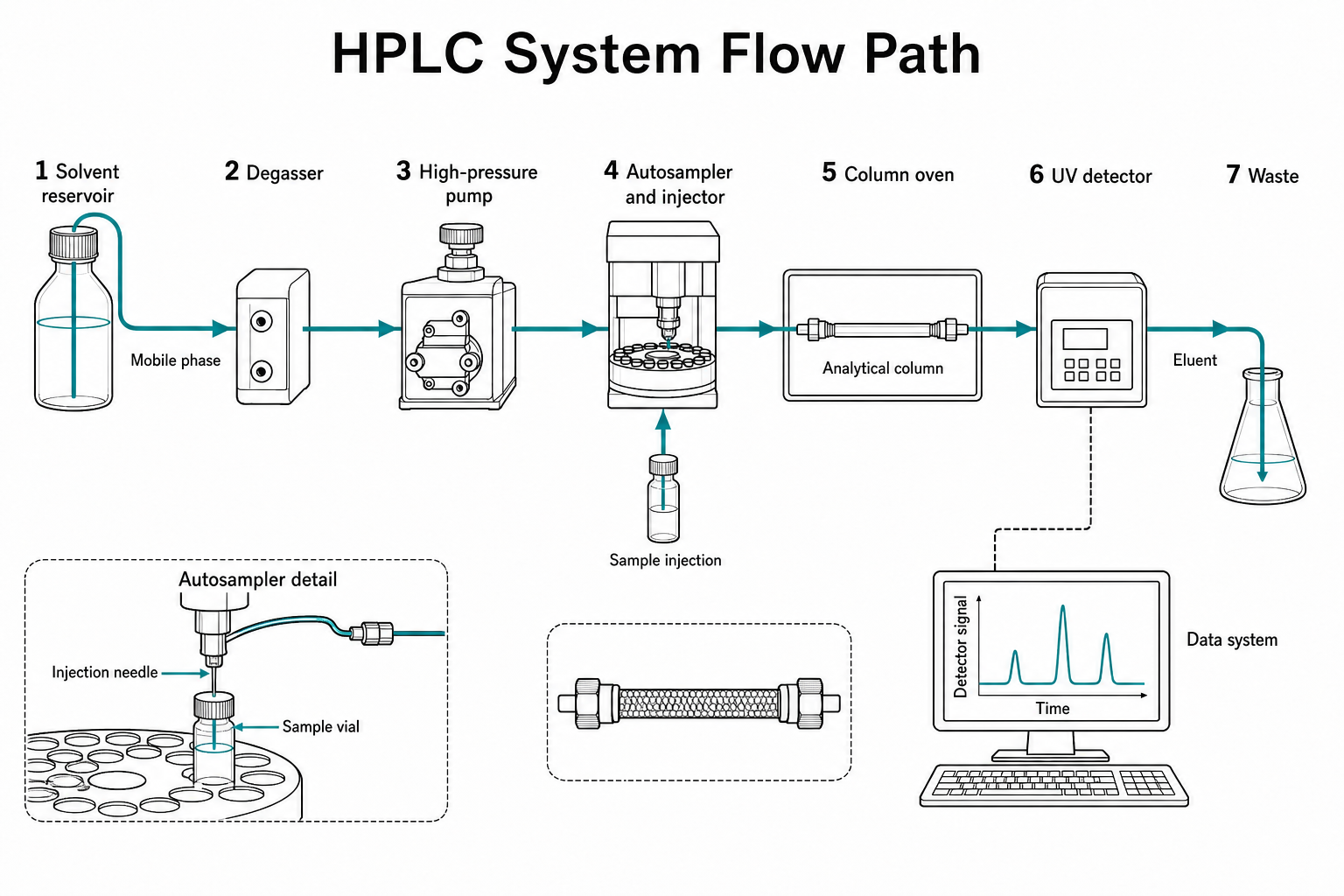
Start with where the figure will appear and what it must communicate. These guides cover graphical abstracts and manuscript figures with task-specific prompts, examples, limitations, and review criteria.
Compare the guidesStart with the communication task
The same scientific subject can require very different figures. A graphical abstract condenses a study into one visual story, while a manuscript figure may need to document a mechanism or method in enough detail for careful review.
Choose the use case before the style. Define the audience, the single job of the figure, and the evidence boundary. Then select line art, flat illustration, or 3D rendering as the visual system that best supports that job.
Guide index
Choose a focused starting point
Each guide opens a preconfigured generator and adds examples, prompt structure, limitations, and a scientific review checklist for that specific task.
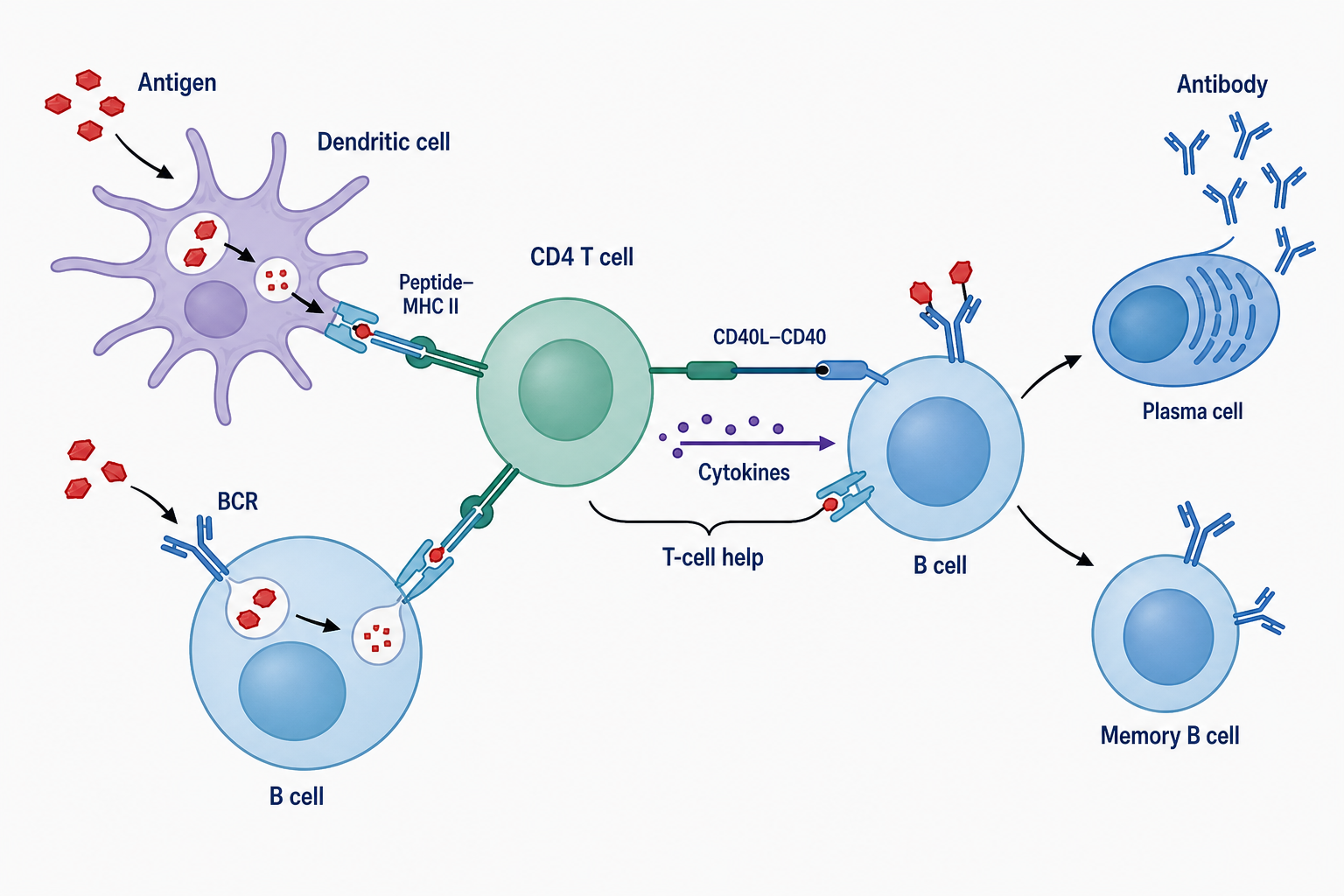
Scientific figure use case · Visual summary
Graphical Abstract Generator
Turn a study’s question, approach, and primary finding into a concise visual summary for journal contents pages, conferences, and research communication.
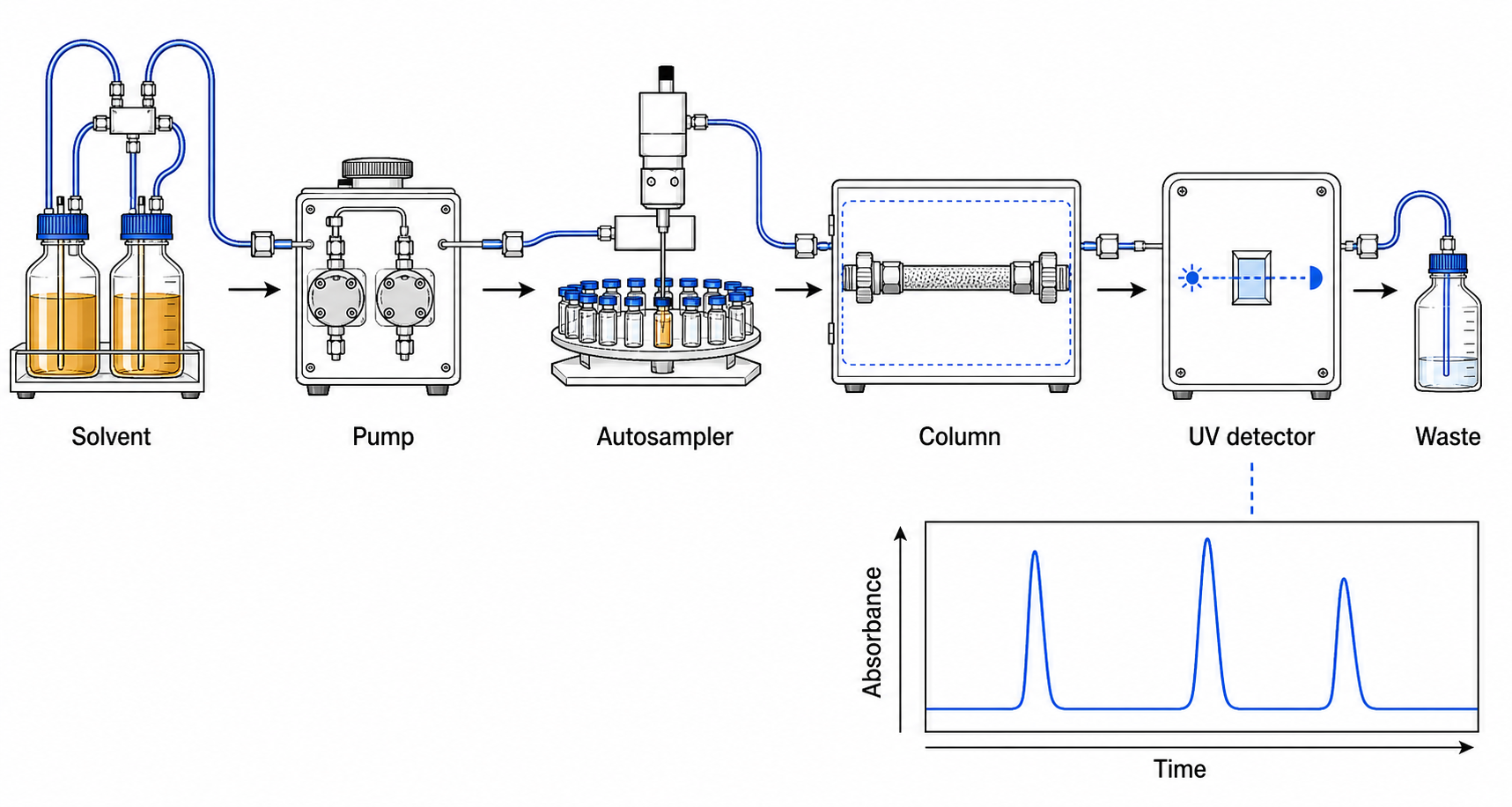
Scientific figure use case · Manuscripts
Scientific Figure Generator for Research Papers
Draft mechanisms, methods, workflows, and structural overviews for manuscripts, then review every generated element against your evidence and journal requirements.
Compare before generating
The right choice is the one that makes the scientific relationship easier to inspect—not the one with the most visual effects.
| Guide | Best for | Visual language | Review priority |
|---|---|---|---|
| Graphical Abstract Generator | Question → approach → finding | Three-panel horizontal flow | Claim and evidence alignment |
| Scientific Figure Generator for Research Papers | Mechanisms, methods, workflows | The manuscript claim | Accuracy and journal fit |
Decision sequence
Plan the figure in four passes
- 01
Name the audience
Decide whether the first reader is a manuscript reviewer, journal browser, conference attendee, collaborator, or student.
- 02
Define one job
Ask the figure to explain one mechanism, document one method, summarize one study, or orient one structure.
- 03
Choose the evidence boundary
Separate measured or established relationships from context, interpretation, and visual decoration.
- 04
Review in context
Inspect the output at final size and compare its claims with the manuscript, protocol, and target venue policy.
Next step
Select a guide, adapt its prompt, then review the science
- 5 free signup figures
- Style-specific examples
- Researcher review required
Style guides explain when line art, 3D rendering, or flat illustration best supports the task.