 01
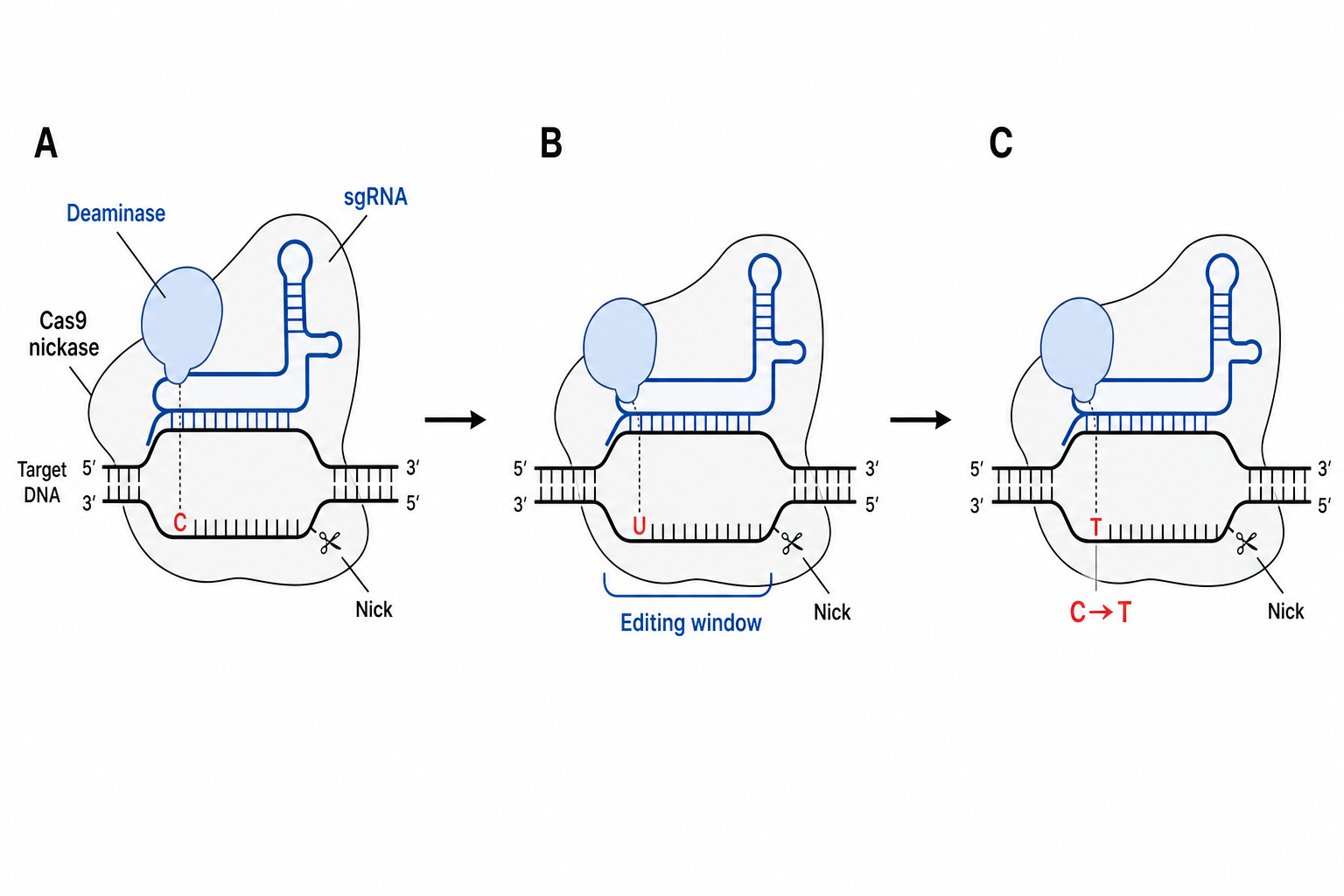
01CRISPR base-editing mechanism
Use a left-to-right mechanism when the sequence of molecular events is the main message.

 3 free figures
 Scientific figure style · Line art
Create clean black-and-white scientific diagrams with precise outlines, labels, arrows, and process order for papers, methods, and technical documentation.
Field note 01
Scientific line art reduces a figure to the relationships a reader must inspect: boundaries, labels, arrows, sequence, and scale. It is a strong default for mechanism diagrams, apparatus schematics, pathway figures, and any image that must remain legible in a narrow journal column.
A good line-art prompt should identify the required components before it describes the style. State the reading direction, exact labels, connections, and exclusions. Then ask for restrained black-and-white strokes and a white background so decoration does not compete with the scientific structure.
Reference plates
Use these examples to decide what must be visible before you write the prompt. The subject changes, but the information hierarchy should remain deliberate.
01Use a left-to-right mechanism when the sequence of molecular events is the main message.
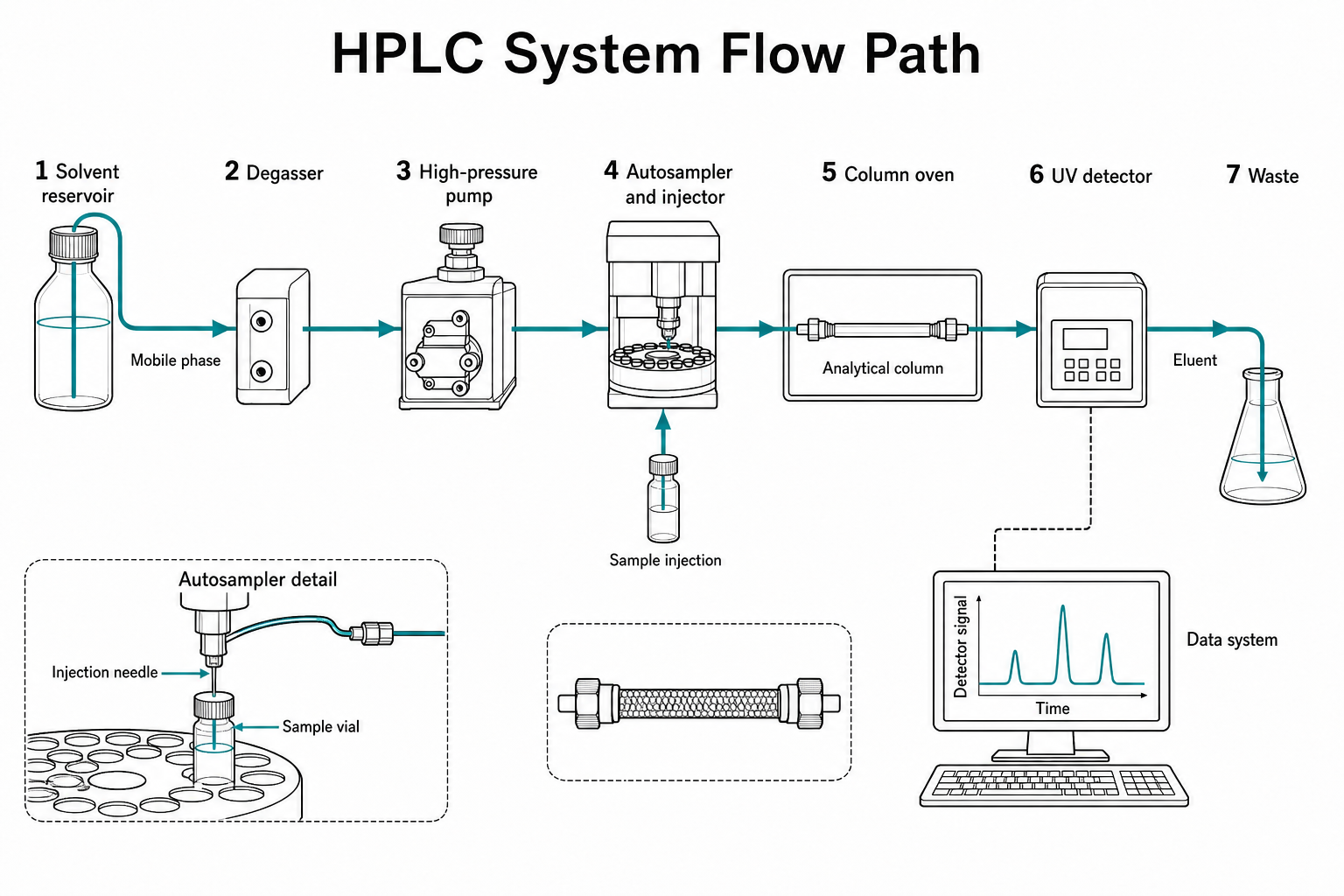
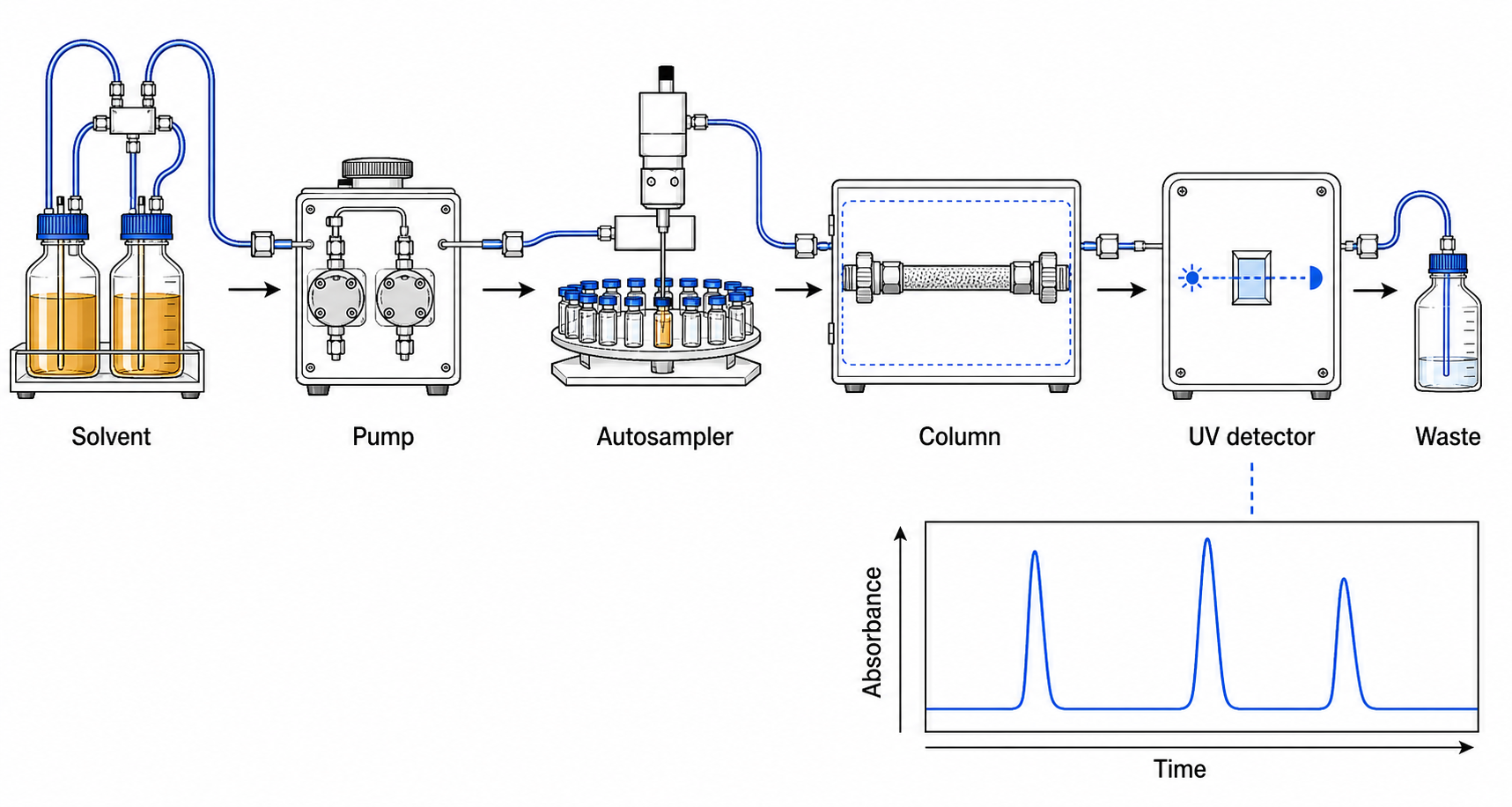 02
02Name each component, connection, flow direction, and analytical output explicitly before generating.
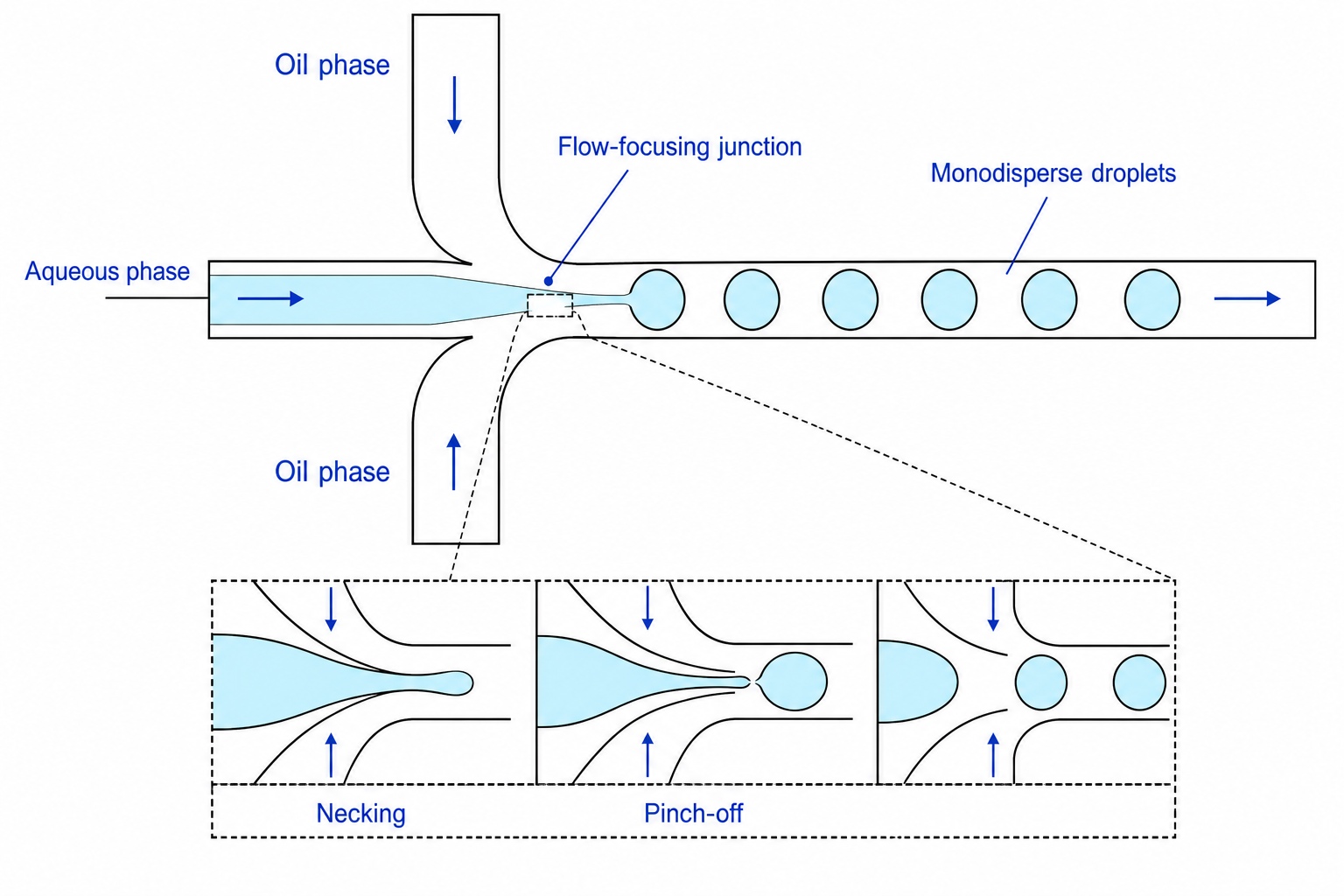 03
03For apparatus figures, specify phases, channel geometry, flow direction, parameters, and the intended viewpoint.
Prompt anatomy
A strong prompt behaves like a compact figure specification: scientific scope first, visual treatment second.
Name the mechanism, device, structure, or experiment.
List every component and the exact labels that must appear.
Describe arrow direction, sequence, grouping, and boundaries.
Request precise black strokes, restrained detail, and a white background.
A clean black-and-white line-art diagram of [scientific subject], showing [required components and labels], arranged [layout and reading direction]. Use precise thin strokes, clear arrows, restrained detail, and a white background. Exclude [unwanted elements].
Generation produces a draft. The researcher remains responsible for every label, relationship, and implied claim.
Questions
Yes, but start with black-and-white structure. Add one or two purposeful colors only when they encode groups, states, or direction and still remain distinguishable in grayscale.
It is often suitable for mechanisms, methods, and technical schematics because it scales clearly. Always check the target journal’s image dimensions, typography, and AI-image policy before submission.
Use short exact labels, limit the number of elements, request generous spacing, and inspect the output at the final publication width rather than only at full-screen size.
Continue planning
Plan a manuscript figure around evidence and journal constraints.
Use a controlled color system for visual summaries.
Write a figure brief with precise content, layout, and exclusions.
Ready to draft? The generator above is already set to a useful starting style and prompt. Replace the scientific content with your own requirements before generating.
Start your figure