 01
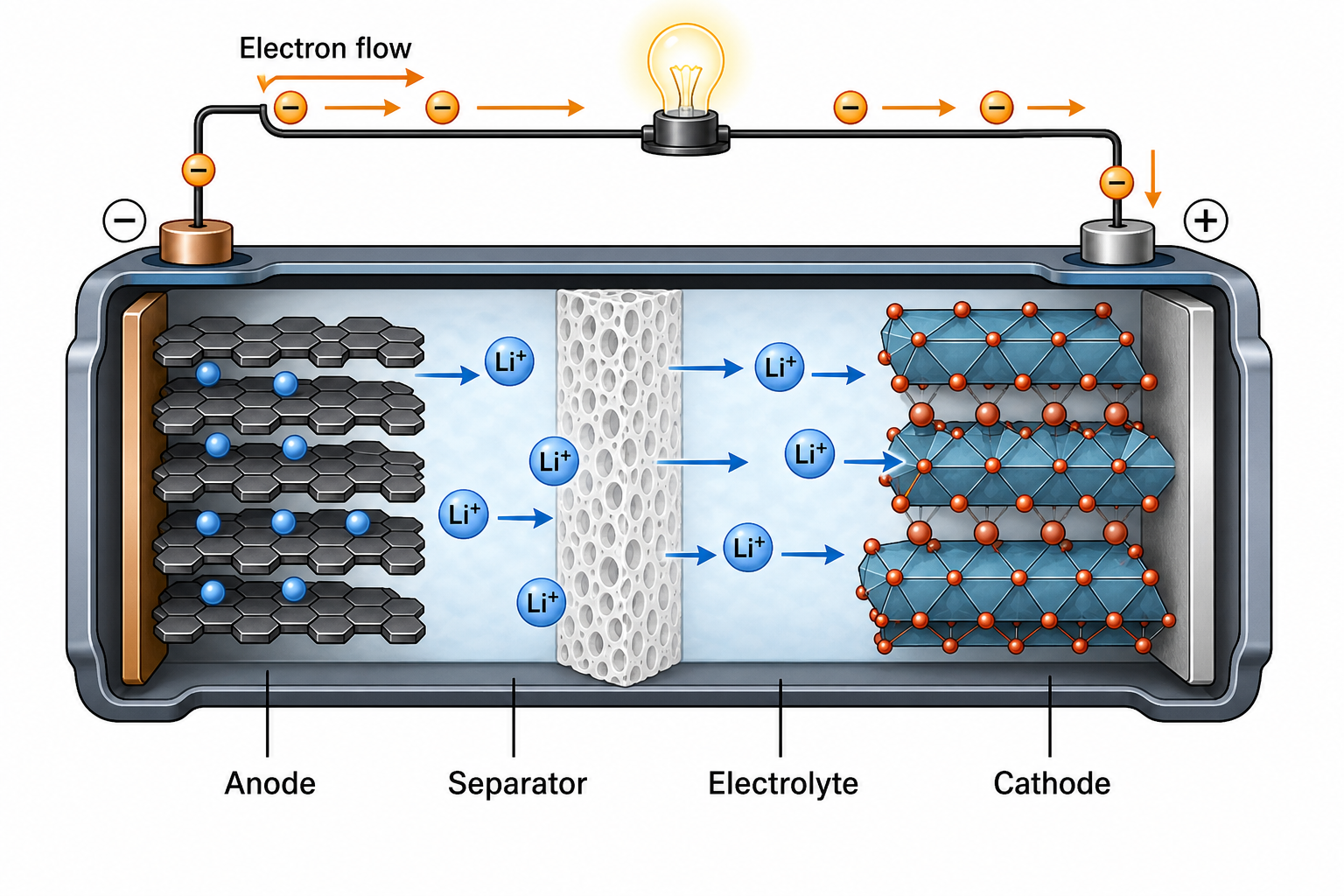
01Lithium-ion battery cutaway
A cutaway makes internal layers visible without separating them from the complete device.

 5 free figures
 Scientific figure style · 3D render
Generate polished 3D scientific illustrations for structures, devices, materials, presentations, and cover concepts while keeping spatial relationships clear.
Field note 01
A 3D scientific render is useful when orientation, layering, enclosure, or material structure would be difficult to communicate with flat outlines alone. Typical subjects include proteins, battery cells, microfluidic devices, tissue structures, and instrument components.
The prompt should control the camera as carefully as the subject. Specify the viewpoint, cutaway or exploded treatment, scale cues, surfaces, lighting, and which internal parts must remain visible. This prevents visual polish from hiding the relationship the figure is meant to explain.
Reference plates
Use these examples to decide what must be visible before you write the prompt. The subject changes, but the information hierarchy should remain deliberate.
01A cutaway makes internal layers visible without separating them from the complete device.
 02
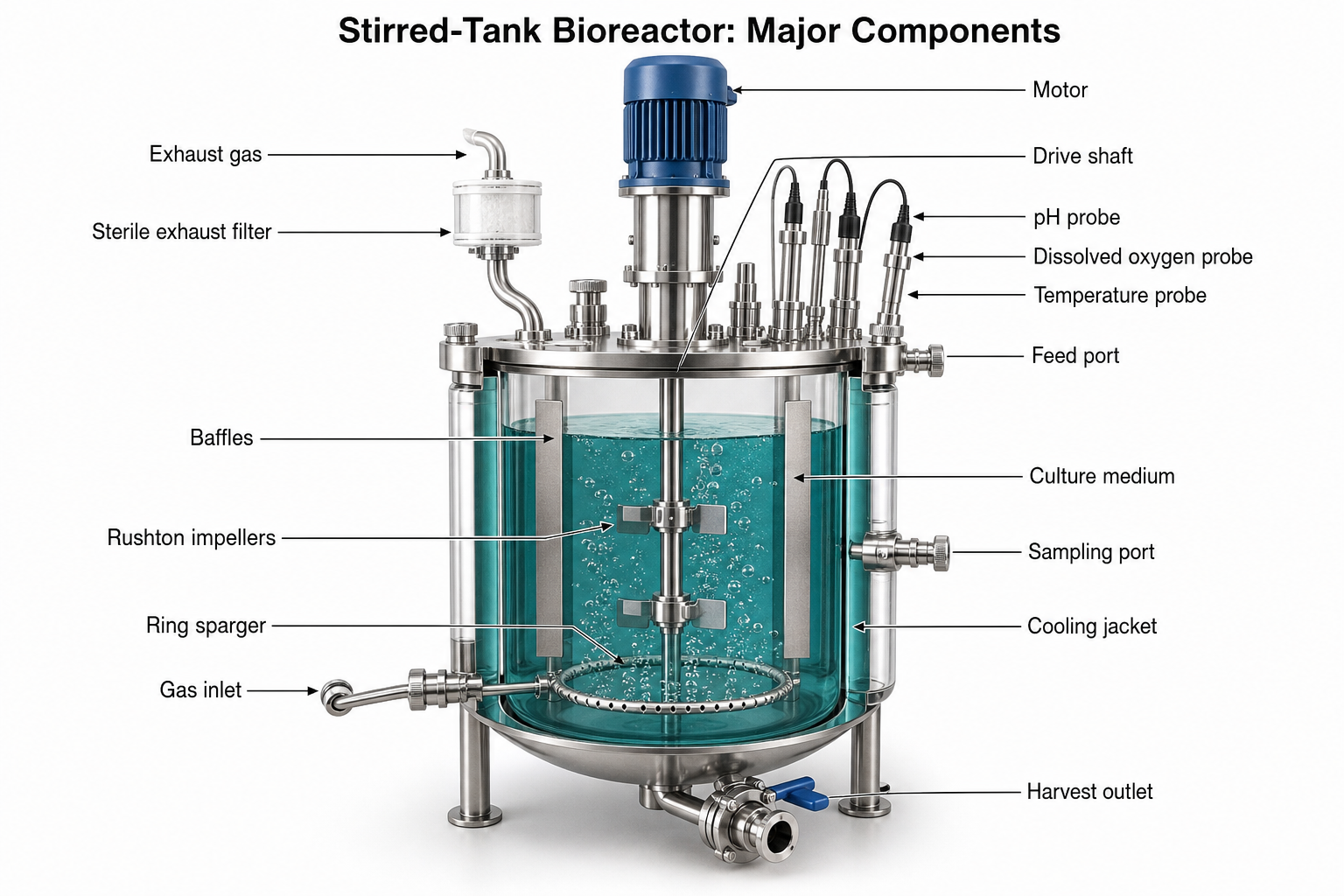
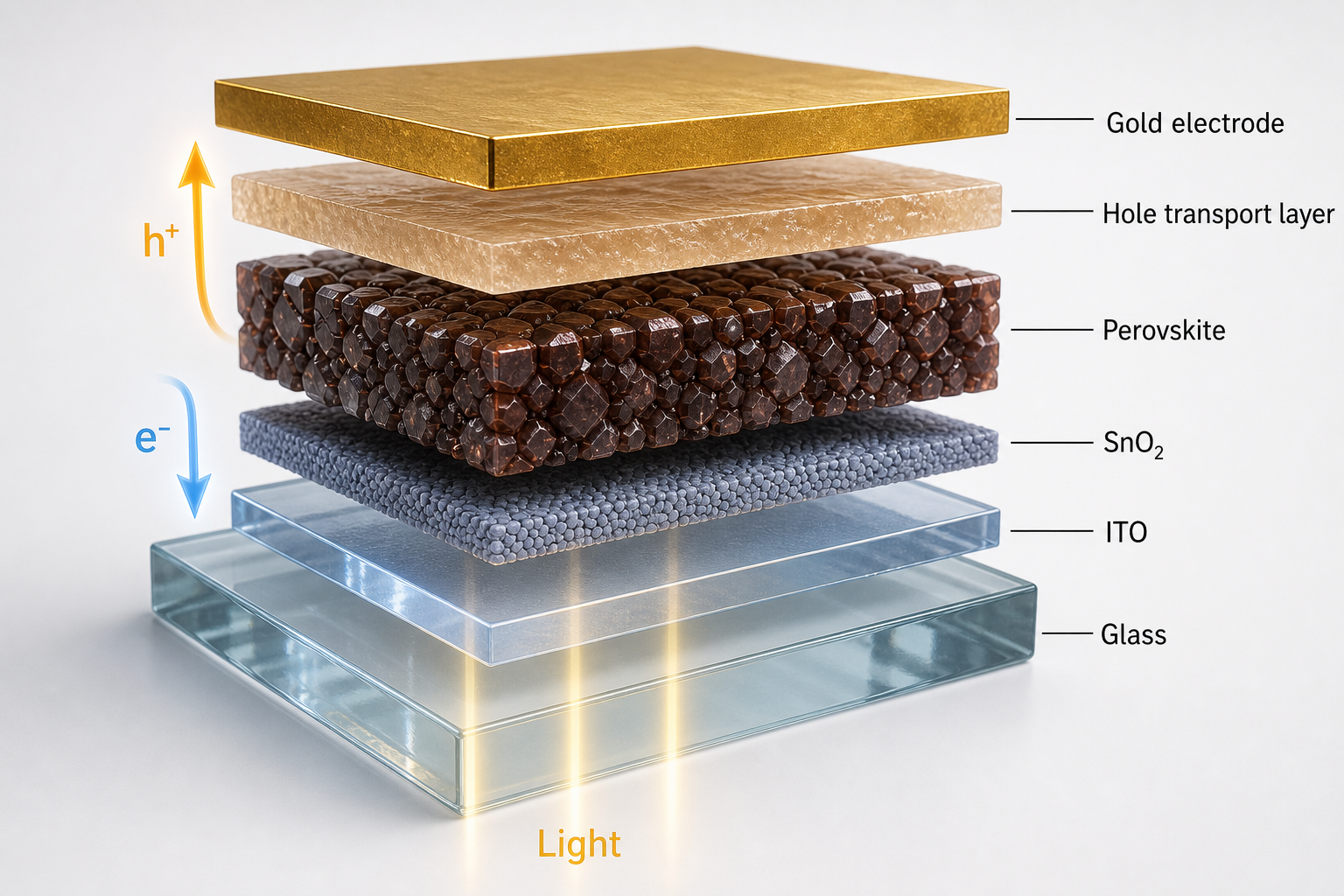
02State which layers and interfaces matter so surface detail does not overwhelm the scientific point.
 03
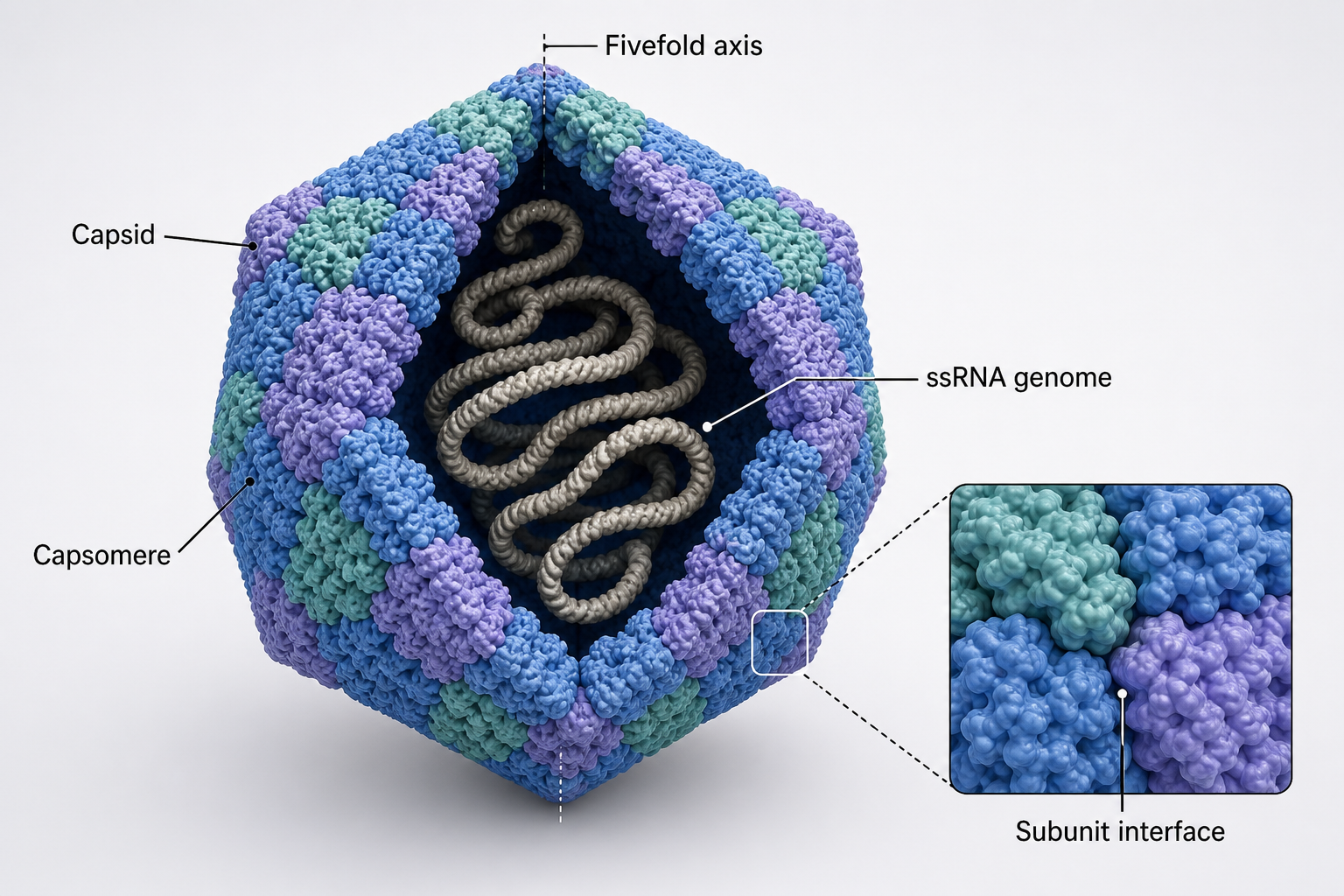
03Use controlled depth when readers need both exterior geometry and internal organization.
Prompt anatomy
A strong prompt behaves like a compact figure specification: scientific scope first, visual treatment second.
Name the structure, device, material, or biological system.
Choose isometric, cross-section, cutaway, exploded, or close-up.
List the layers, domains, interfaces, and labels that must remain exposed.
Control lighting, background, surface finish, and color restraint.
A professional 3D [cutaway / exploded / isometric] scientific render of [subject], showing [required parts and relationships]. Use [viewpoint], soft studio lighting, a muted scientific palette, clear scale cues, and a clean background. Keep [critical feature] unobstructed.
Generation produces a draft. The researcher remains responsible for every label, relationship, and implied claim.
Questions
It can support a paper when depth is scientifically useful, but it should not imply measured structure or realism that the evidence does not support. Check the journal’s image and AI-use policies.
Use an isometric view for overall architecture, a cutaway for enclosed parts, an exploded view for assembly, and a close-up when one interface is the main message.
Ask for soft neutral lighting, a white or light-gray background, restrained material surfaces, limited depth of field, and no decorative particles or dramatic glow.
Continue planning
Choose precise outlines when labels and process order matter most.
Review a generated figure against manuscript and journal needs.
Control viewpoint, required parts, and unsupported detail.
Ready to draft? The generator above is already set to a useful starting style and prompt. Replace the scientific content with your own requirements before generating.
Start your figureEach figure was generated from the prompt beneath it. Copy a prompt, swap in your own object and parts, and mark any label afterwards to change just that spot.

A 3D cutaway of a centrifugal pump, three-quarter view. Show the shaft, bearings, mechanical seal, impeller eye, impeller and volute, with blue arrows tracing flow from the suction inlet to the discharge outlet. Clean studio lighting, white background, short leader-line labels.

Three identical 3D ball-and-stick cubic lattices side by side: a perfect lattice, the same lattice with one atom missing (vacancy, outlined), and one with an extra atom in an interstitial site highlighted in gold. Label each lattice below it. White background.

An exploded 3D view of a 1U CubeSat, components separated along one axis in assembly order: structure, solar panel, flight computer, battery, radio, payload camera and deployable antenna. Thin leader lines with one-word labels, neutral studio lighting, white background.

A 3D cutaway of a clinical MRI scanner from the patient table side. Peel back the housing to show concentric layers: RF coil, gradient coils, superconducting magnet and cryostat around the bore, with an arrow for the B0 field. Short labels, soft lighting, white background.

An exploded 3D view of a PEM fuel cell, layers spaced left to right: anode plate, gas diffusion layer, catalyst layer, membrane, catalyst layer, gas diffusion layer, cathode plate. Show H2 entering, H+ crossing the membrane, electrons through an external circuit, O2 entering and H2O leaving. White background.

A 3D render of a pneumatic soft robotic gripper gently grasping a raspberry. Cut one silicone finger open to show the pneumatic chambers and strain-limiting layer; mark the air inlet and a dashed arrow for the bending direction. Soft lighting, white background, short labels.

Two 3D sedimentary drill-core blocks side by side with matching layers from bottom to top: shale, limestone, sandstone, shale. Show a normal fault offsetting the sandstone and an erosional contact; add an arrow for the younging direction. Realistic rock textures, white background, labels on both sides.

A 3D cutaway of a tokamak fusion reactor with a quarter removed. Show the central solenoid, toroidal field coils in copper, poloidal field coils in blue, the vacuum vessel, the divertor and a glowing pink plasma ring. Short leader-line labels, dark-on-white, soft lighting.

A 3D cutaway of a wind turbine nacelle showing the drivetrain in order: rotor hub, main shaft, gearbox, brake and generator, with the yaw bearing below. Curved arrow for rotor rotation and an arrow for electrical output. Clean studio lighting, white background.