 01
01Mechanism-centered abstract
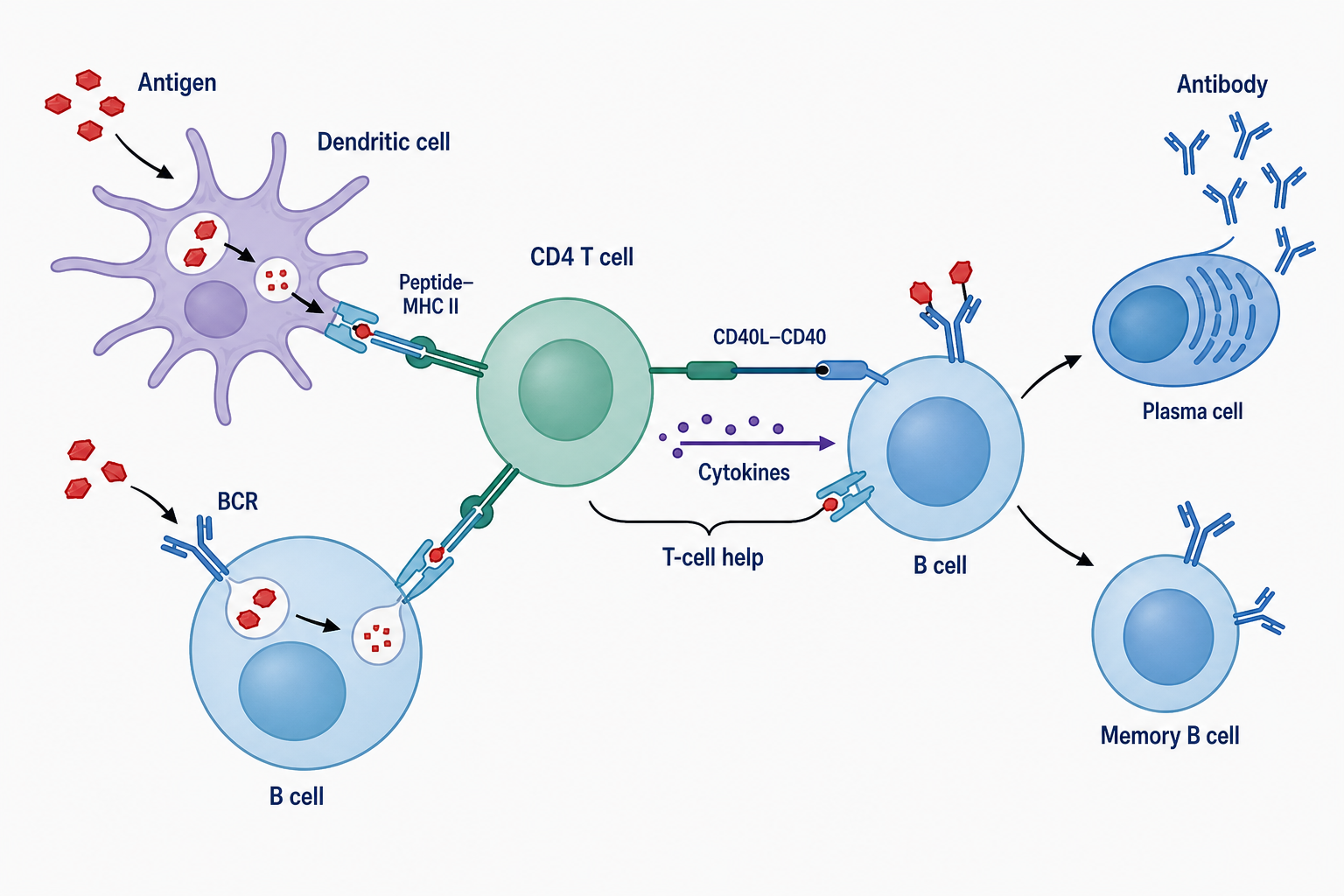
A central pathway can connect the intervention on the left with the measured outcome on the right.

 3 free figures
 Scientific figure use case · Visual summary
Turn a study’s question, approach, and primary finding into a concise visual summary for journal contents pages, conferences, and research communication.
Field note 01
A graphical abstract is not a miniature version of every figure in a paper. Its job is to communicate the study’s central question, the decisive method or mechanism, and the main supported outcome in a sequence that can be understood quickly.
Begin by writing one sentence for each of those three parts. Then decide whether the story is best shown as a left-to-right process, a central mechanism with inputs and outputs, or a comparison between conditions. Keep secondary methods and speculative interpretations out of the first draft.
Reference plates
Use these examples to decide what must be visible before you write the prompt. The subject changes, but the information hierarchy should remain deliberate.
01A central pathway can connect the intervention on the left with the measured outcome on the right.
 02
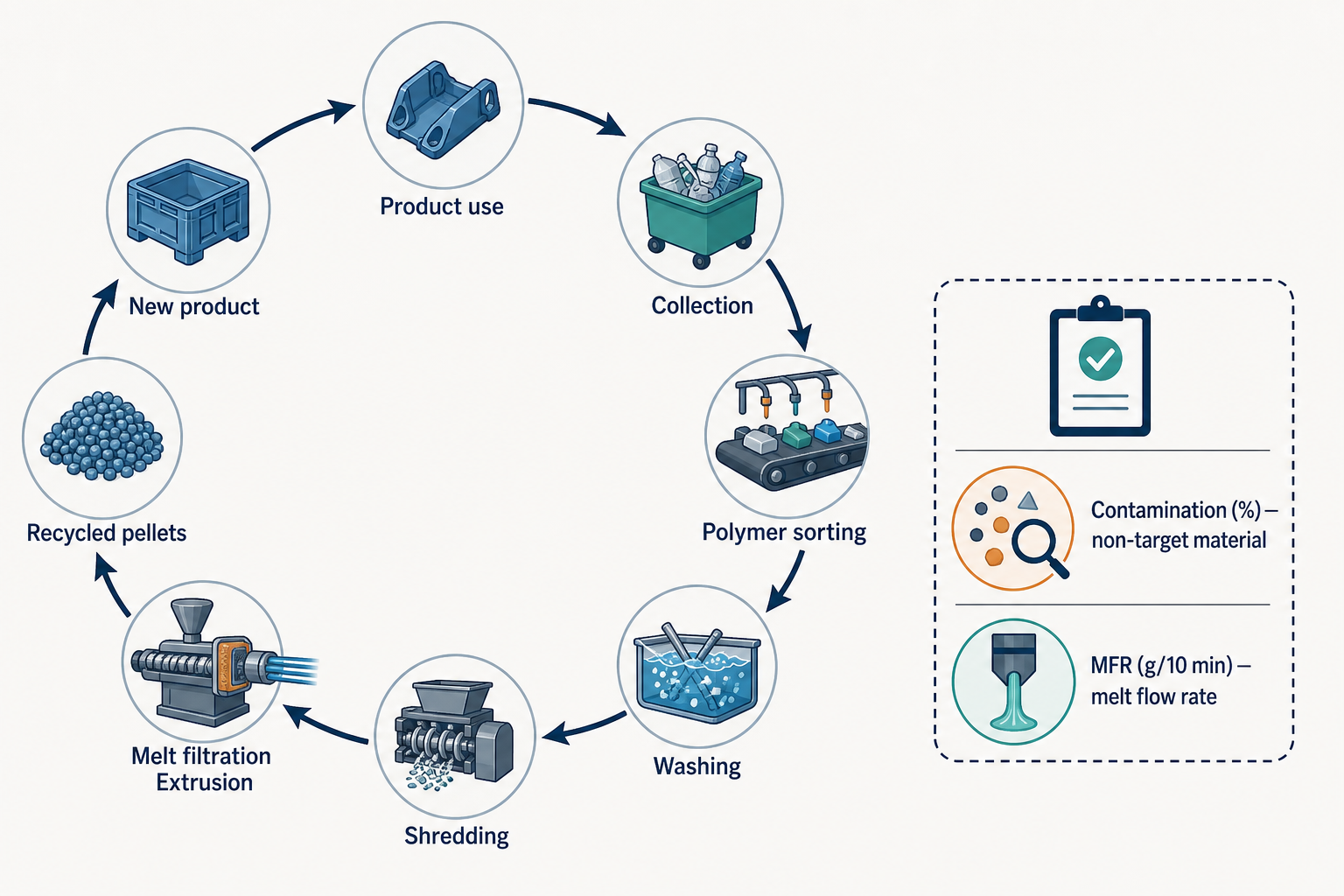
02For circular systems, keep each transformation and return path explicit rather than decorative.
 03
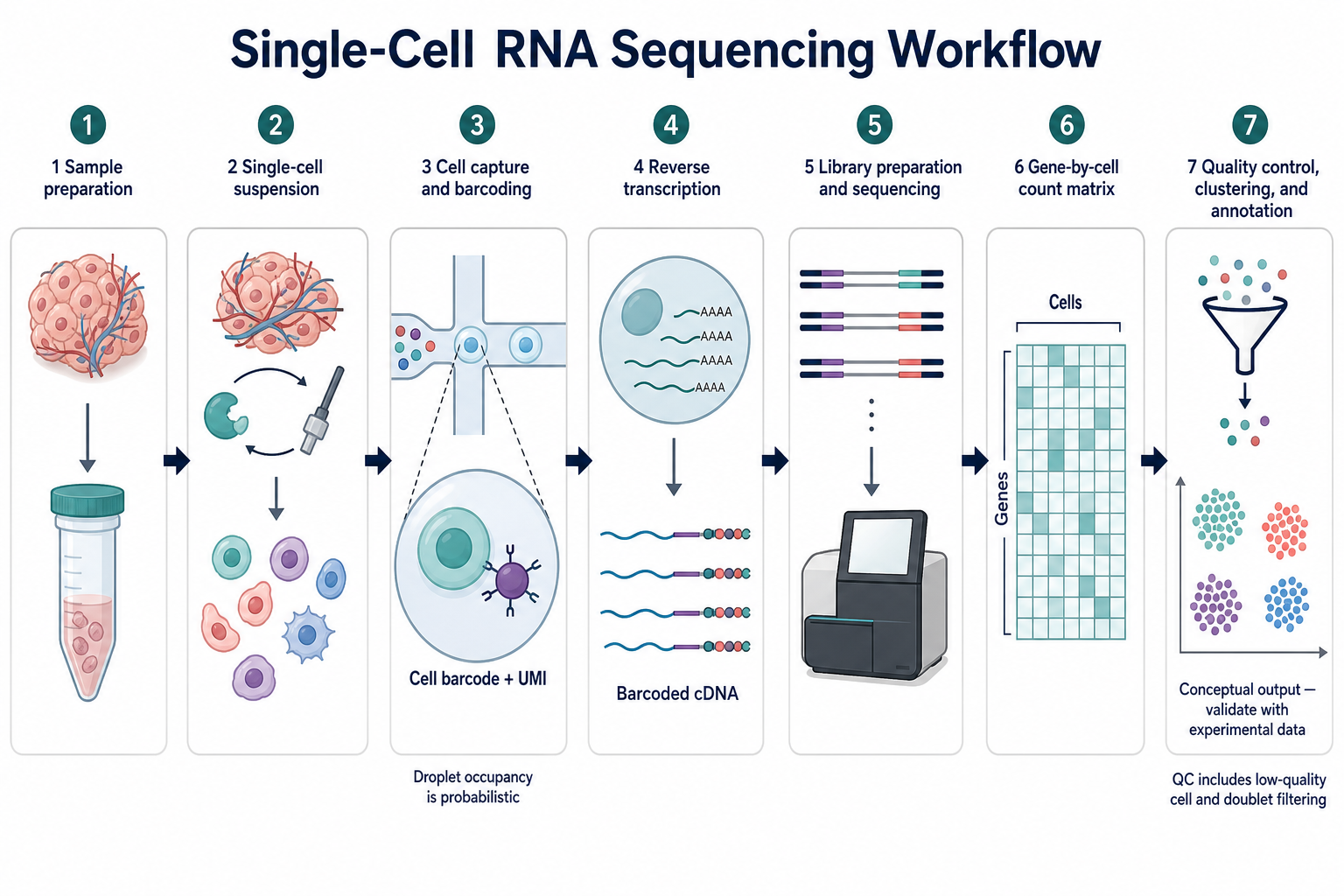
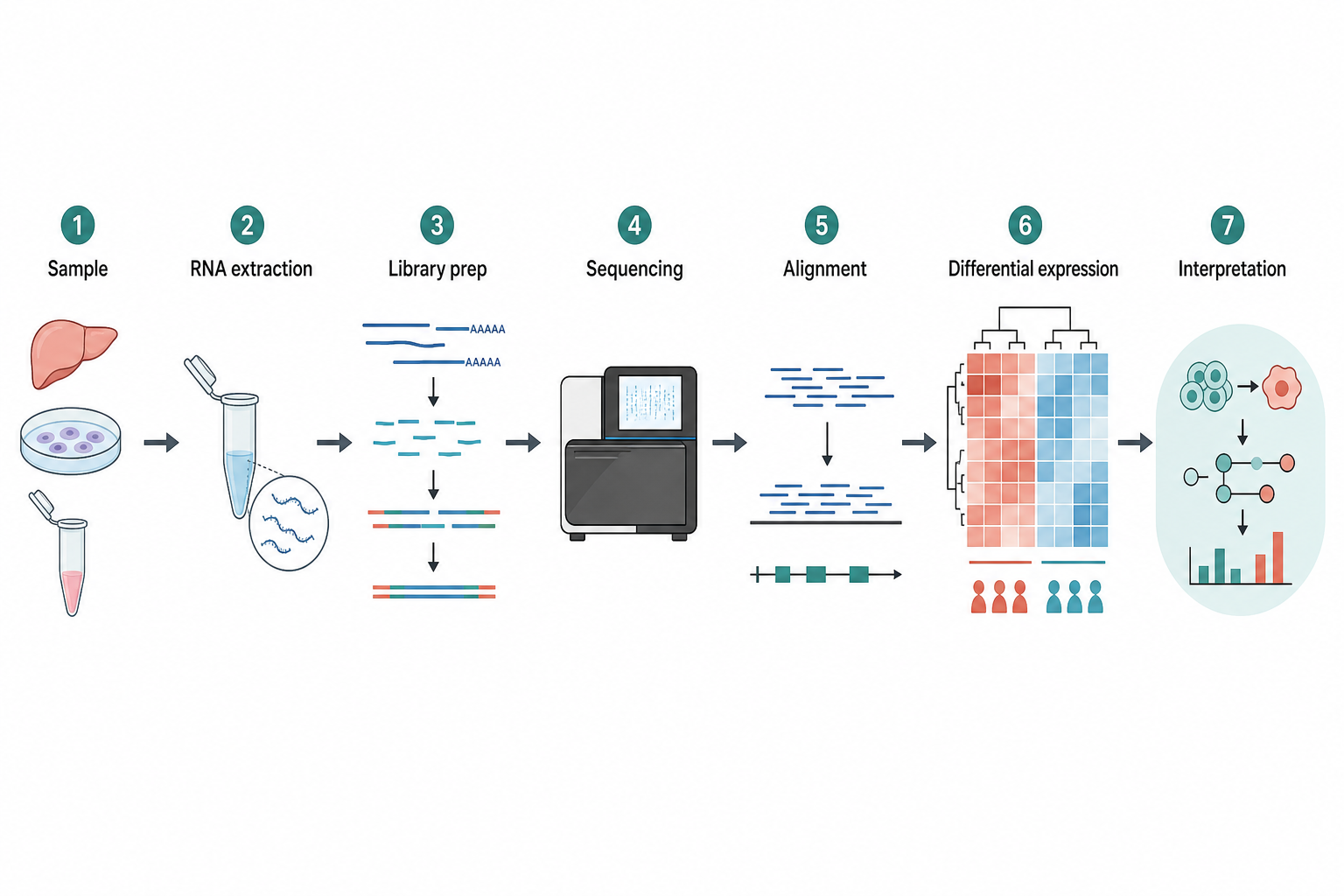
03A workflow structure is useful when the analytical approach is itself a key contribution.
Prompt anatomy
A strong prompt behaves like a compact figure specification: scientific scope first, visual treatment second.
Name the system, intervention, or comparison being studied.
Include only the method or mechanism needed to interpret the result.
State the primary supported outcome without adding speculation.
Choose a flow, mechanism, or comparison and define the reading direction.
A concise graphical abstract for a study of [research question], showing [intervention or method], [key mechanism or workflow], and [primary supported finding]. Organize it as [three-panel flow / central mechanism / comparison], with short labels, restrained colors, and a clear reading direction.
Generation produces a draft. The researcher remains responsible for every label, relationship, and implied claim.
Questions
Include the research question or context, the decisive method or mechanism, and the main supported finding. Additional detail should earn its place by helping readers understand that central story.
A three-part left-to-right flow is a reliable default. Use a central mechanism layout when one pathway explains the result, or a side-by-side comparison when the study contrasts conditions.
Policies differ by publisher and journal. Review the current author guidelines, disclose AI assistance when required, and verify every scientific element before submission.
Continue planning
Build a restrained visual system for steps, groups, and outcomes.
Design individual manuscript figures around evidence and review.
Choose a layout, reduce the story, and review the final claim.
Ready to draft? The generator above is already set to a useful starting style and prompt. Replace the scientific content with your own requirements before generating.
Start your figure