 01
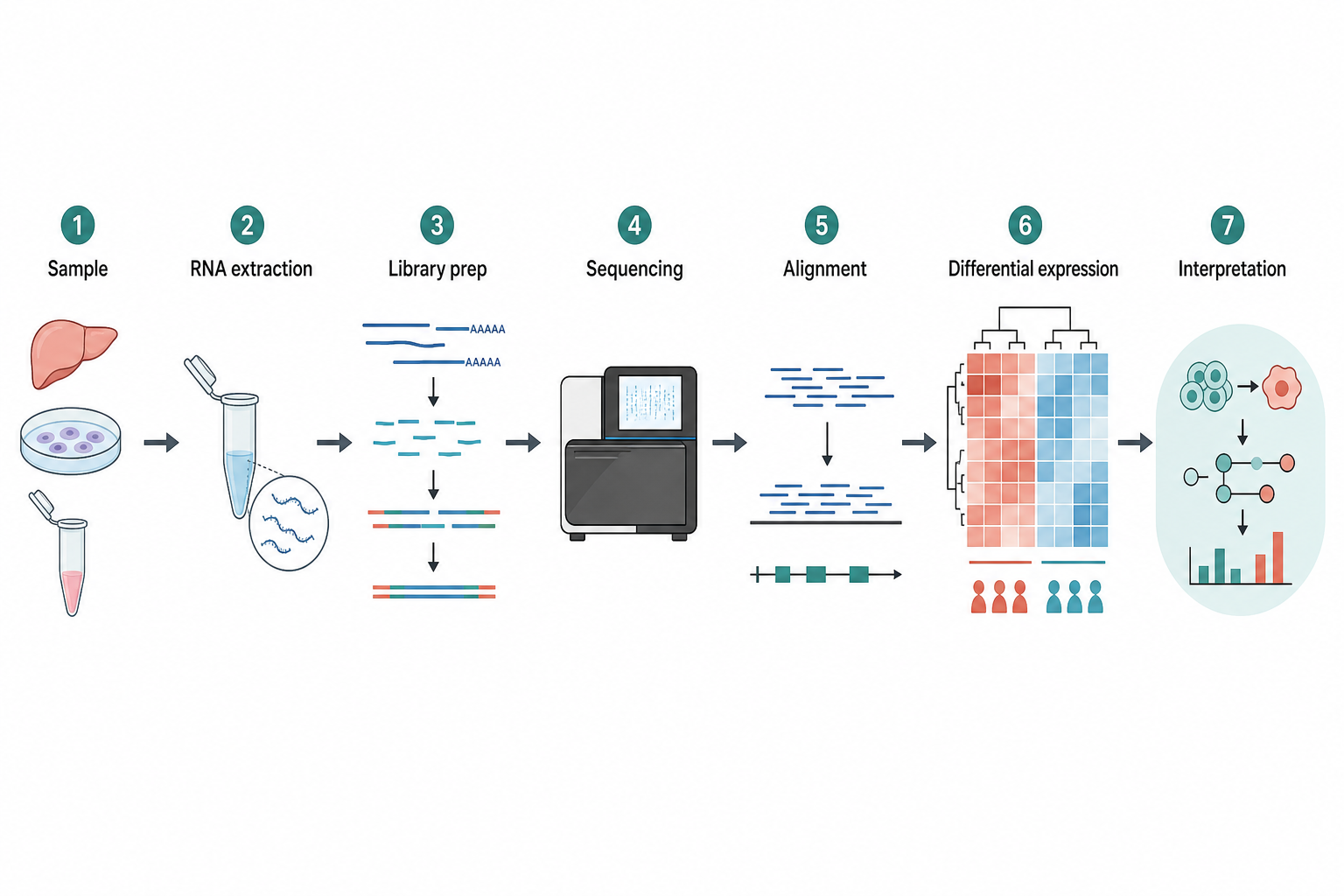
01RNA sequencing workflow
Use a consistent visual grammar for inputs, laboratory steps, data, and outputs.

 5 free figures
 Scientific figure style · Flat illustration
Create clear vector-style scientific illustrations with a restrained color system for graphical abstracts, workflows, teaching materials, and visual summaries.
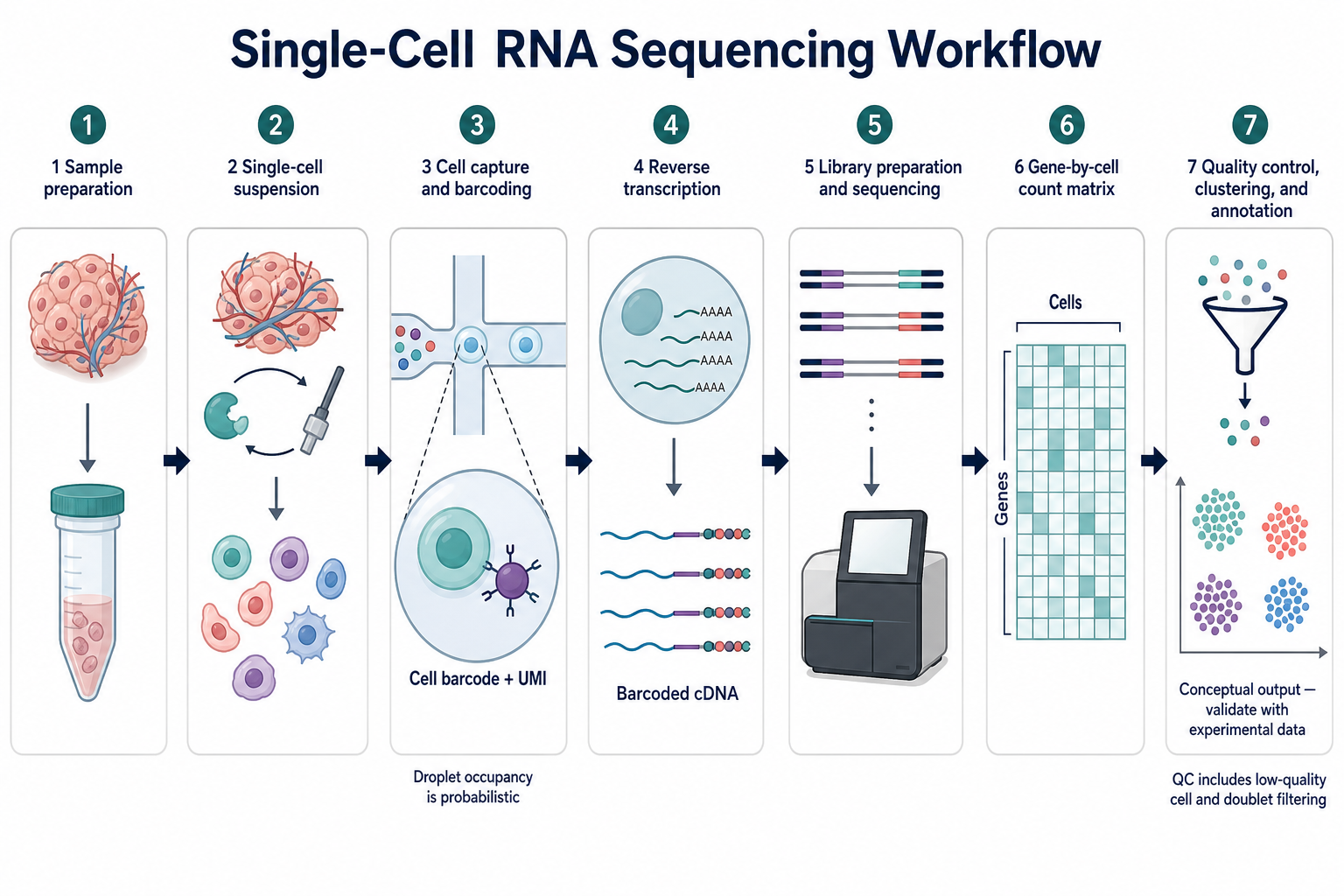
Field note 01
Flat scientific illustration uses simplified shapes, controlled color, and clear grouping to summarize a process without the visual weight of realism. It works especially well for graphical abstracts, study workflows, educational figures, and conference communication.
The strongest prompts define the reading order and information hierarchy first. Group related steps, reserve color for meaningful categories, and limit each panel to one message. A flat style is not a license to simplify the science: labels, arrows, and causal relationships still require expert review.
Reference plates
Use these examples to decide what must be visible before you write the prompt. The subject changes, but the information hierarchy should remain deliberate.
01Use a consistent visual grammar for inputs, laboratory steps, data, and outputs.
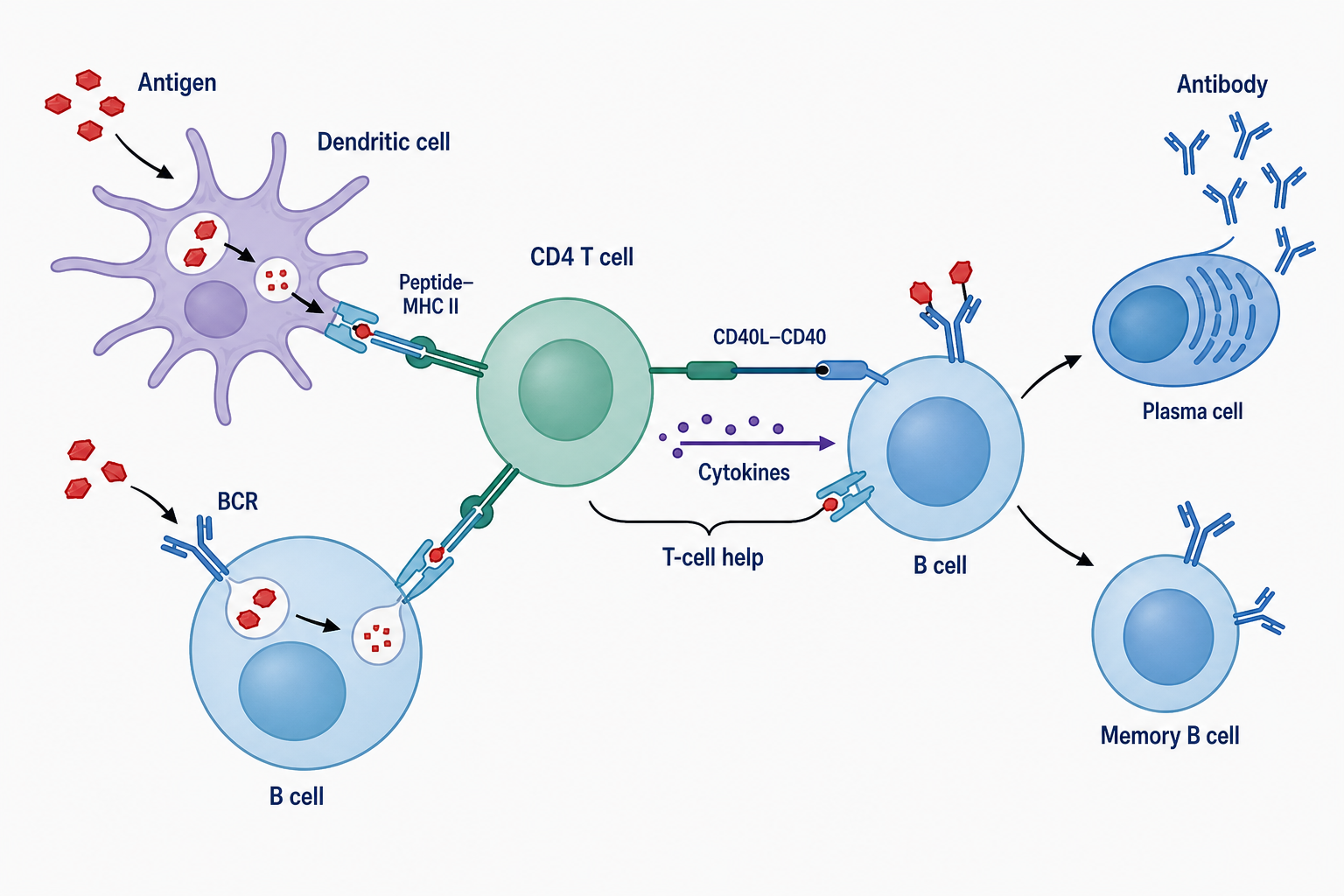 02
02Reserve accent colors for cell types, activation states, or stages rather than decoration.
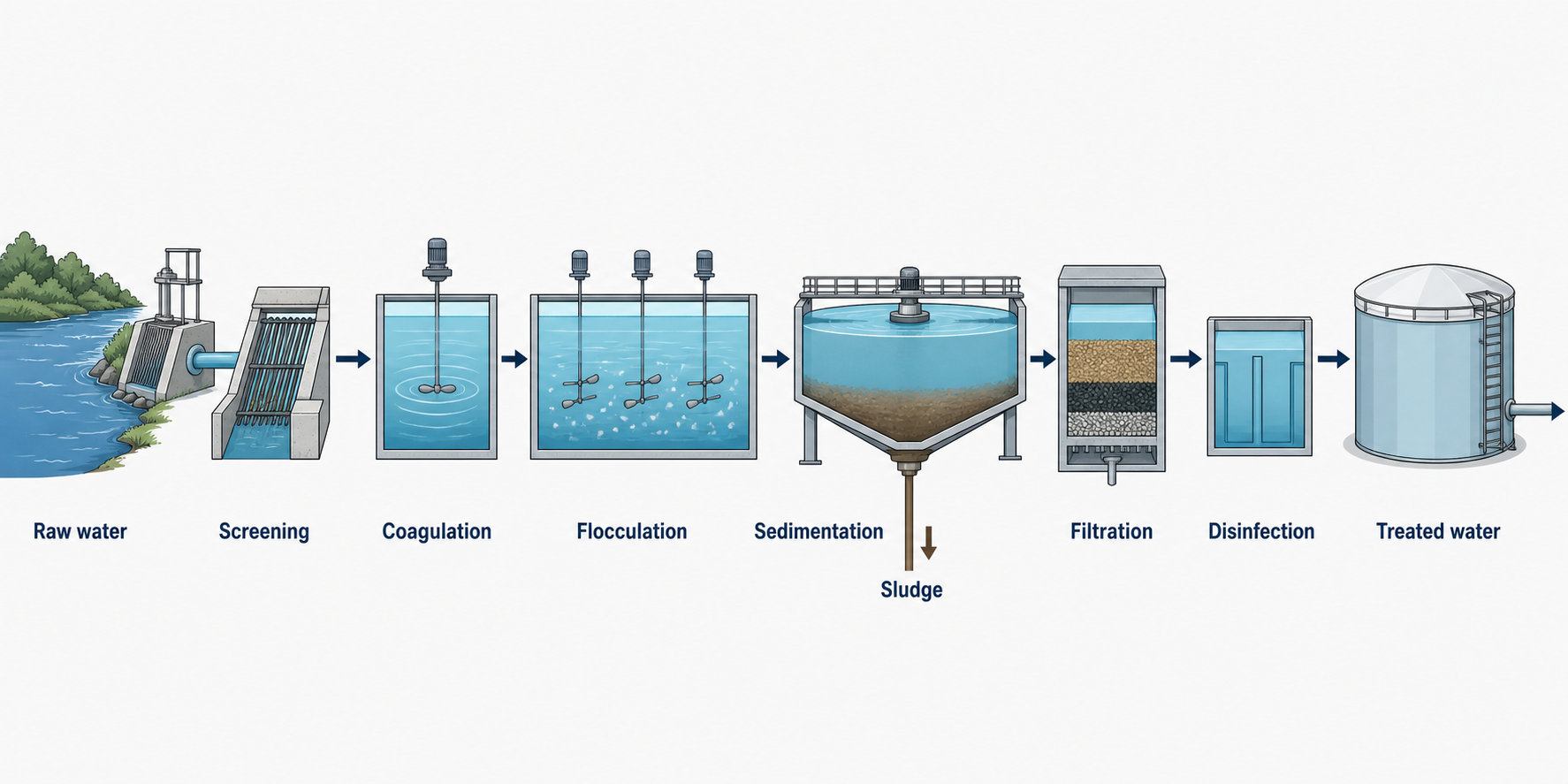 03
03Consistent process symbols and arrows help readers follow a multistage engineering workflow.
Prompt anatomy
A strong prompt behaves like a compact figure specification: scientific scope first, visual treatment second.
State the one process or comparison the reader should understand.
Define panels, reading direction, groups, and connections.
List the required icons, structures, labels, and outputs.
Assign a small muted palette to meaningful categories.
A flat vector-style scientific illustration of [subject or workflow], organized [reading direction and panel structure], showing [required stages and labels]. Use simple geometric forms, a muted [color] palette, consistent arrows, generous spacing, and a white background.
Generation produces a draft. The researcher remains responsible for every label, relationship, and implied claim.
Questions
Flat illustration is a visual style. A graphical abstract is a communication format with a specific task: summarizing the question, approach, and main result. Flat illustration is often a good style for that format.
Start with a neutral base and two or three functional colors. Add another color only when it identifies a distinct scientific category that cannot be communicated through shape or labels.
Yes. Keep laboratory steps, data-processing steps, and outputs visually consistent, and make sure the workflow follows the actual protocol rather than a generic sequence.
Continue planning
Turn a study into a concise, journal-aware visual story.
Use precise monochrome structure for technical figures.
Turn one supported research story into a clear visual path.
Ready to draft? The generator above is already set to a useful starting style and prompt. Replace the scientific content with your own requirements before generating.
Start your figure